Trustees at the Test Point: A Volunteer Committee’s Guide to Community Building Electrics
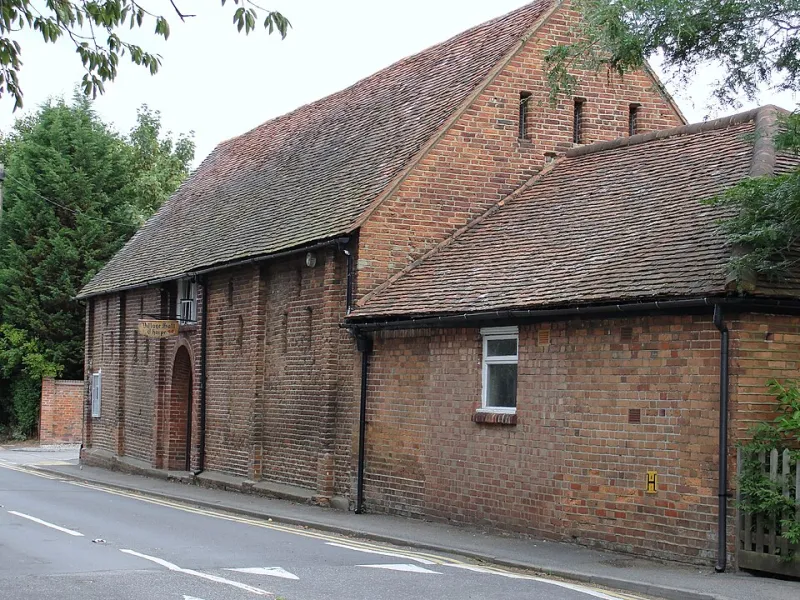
Photo: Maxwell Hamilton, CC BY-SA 3.0, via Wikimedia Commons
Community buildings occupy a peculiar place in UK electrical safety. They are not quite homes, not quite businesses, and rarely have a permanent maintenance team. A volunteer committee may be responsible for a Victorian reading room, a 1970s sports pavilion and a modern scout hut, often with the same insurer, the same limited budget and the same rota of people giving up an evening to sort out the boiler and the booking diary.
The good news is that compliance does not require trustees to become electricians. It requires arrangements: someone to look, someone to record, someone to call when something looks wrong. That is a manageable burden, and it is far lighter than the consequences of an avoidable fault.
The duty in plain terms
Trustees and management committees are responsible for the safety of the premises they control. The Health and Safety at Work etc. Act 1974 and the Electricity at Work Regulations 1989 apply to community buildings in much the same way as they apply to commercial premises: electrical systems must be constructed and maintained so as to prevent danger. Volunteers are not expected to possess technical knowledge, but the committee is expected to take reasonable steps to ensure the building is safe for users, hirers, staff and volunteers.
In practice, that means having a named person or small group responsible for electrical matters, keeping records in one place, and acting on advice when it is given. Insurers increasingly ask for evidence rather than assurances. A committee that can produce a current condition report, a record of portable appliance checks and a note of when the fixed wiring was last inspected is in a much stronger position than one that relies on memory.
What the paperwork should prove
The central document for the fixed installation is the Electrical Installation Condition Report, usually shortened to EICR. It records the condition of the wiring, consumer units, earthing and protective devices, and gives an overall assessment with coded observations. For community buildings, a five-year inspection cycle is common, though the right interval depends on use, environment and the insurer’s requirements. A busy hall with a commercial kitchen, regular stage events and a damp plant room may need more frequent attention than a lightly used meeting room.
The EICR is not simply a certificate to file and forget. The observations should be read, prioritised and, where necessary, priced and scheduled. Trustees should ask for a plain-English explanation of any code C1, C2 or C3 findings and keep a record of when remedial work was completed. If the report recommends further investigation, that recommendation should be tracked in the same way as a fire risk action.
Portable appliance testing, commonly called PAT, is often misunderstood. There is no blanket legal requirement to test every appliance every year. The expectation is that portable equipment is maintained and inspected in a risk-based way. In a community hall, that might mean a visual check before each use for items such as kettles and extension leads, combined with a periodic formal check for larger or more heavily used equipment. Donated appliances deserve particular scrutiny: a microwave or tea urn that has sat in someone’s garage for years should not enter the kitchen simply because it still switches on.
The loads behind the hire agreement
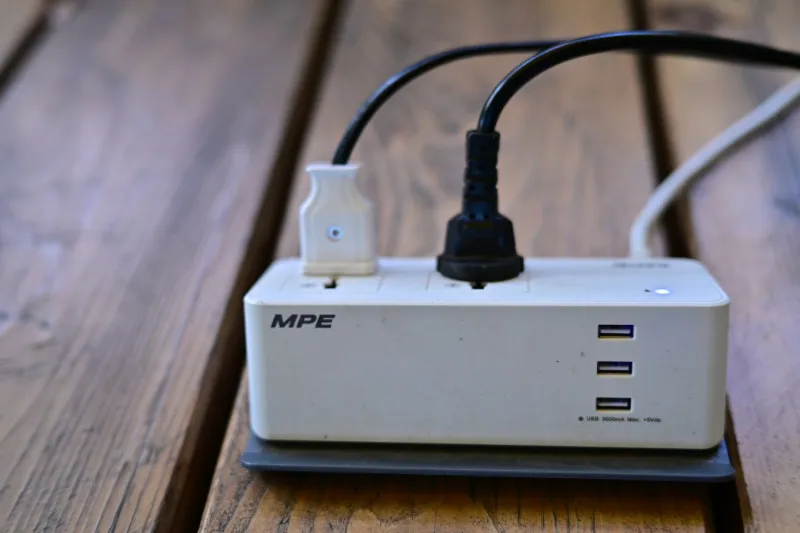
Most electrical problems in community buildings are not exotic. They are overloads, damaged leads and equipment used in ways the committee never intended. A hirer arrives with a plug-in heater, a small stage lighting bar, a bouncy castle blower and a coffee machine, then looks for the nearest double socket. Add a few extension leads and the demand can exceed what the circuit was designed to carry.
The committee’s job is not to police every plug, but to set clear expectations. The hire agreement should state what electrical equipment is provided, what hirers may bring, and who to contact if a circuit trips. High-demand items such as heaters, catering equipment and stage lighting should be declared in advance so that the committee can confirm the supply is suitable. Hirers should be told not to use damaged leads, not to daisy-chain extension leads and not to reset a repeatedly tripping device without reporting it.
A short pre-hire walk-round is often enough. Check that the consumer unit is accessible, that residual current device test buttons operate correctly, that emergency lighting indicators are healthy and that there are no obvious signs of scorching, water ingress or damaged sockets. Confirm which appliances are the building’s and which belong to the hirer. If the hall has a kitchen, look at the urns, fridges and microwaves as a set rather than individually; a kitchen can accumulate appliances over decades until the socket count tells a misleading story.
A simple annual rhythm
A community building does not need a complex maintenance regime, but it does need rhythm. Monthly, a volunteer can press the test button on each RCD and note the result, carry out a visual check of sockets and visible wiring, and confirm that emergency lighting indicators are lit. Quarterly, the same person can review extension leads and portable equipment, check for damaged plugs and arrange replacement where needed. Annually, the committee can review the EICR action plan, confirm PAT arrangements, check insurer requirements and update the hire agreement. Every five years, or as advised, the fixed installation should be inspected and tested by a competent electrician.
Seasonal prompts are useful too. Before winter, check heaters and any temporary heating arrangements. Before a busy events season, check stage equipment, extension leads and kitchen appliances. After any flooding, leak or building work, arrange an inspection before power is restored. These are not bureaucratic extras; they are the moments when faults are most likely to appear.
When to stop and call for help
Volunteers should be encouraged to report, not repair. A burning smell, scorch marks, a socket that is warm to the touch, a circuit that trips repeatedly, water near electrical equipment or any DIY alteration to the wiring should prompt an immediate call to a qualified electrician. The committee should have a named contact and a clear instruction that no one should remove a consumer unit cover or attempt to bypass a protective device.
For trustees, the reassuring point is that electrical safety is largely a matter of routine attention. Keep the records together, know who to call, look before the building is hired out and act on professional advice. That is a realistic standard for a volunteer committee, and it is one that protects the building, the hirers and the people who keep the hall running.
Custodian Electrical works with community building committees across the UK to arrange condition reports, remedial works and practical maintenance schedules that fit the way their premises are actually used.