Twelve Winter Safeguards for UK Properties: A Custodian Electrical Checklist
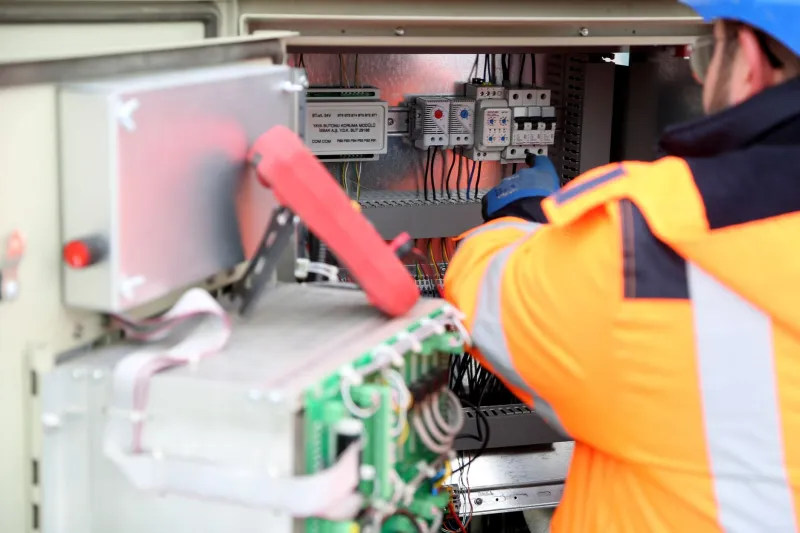
As the clocks go back and the colder months settle in, UK homes and commercial premises begin to carry a heavier electrical load. Heating appliances, festive lighting, temporary extensions and more time spent indoors all combine to place greater demand on wiring and accessories. For property managers and homeowners alike, winter is therefore a sensible moment to act as a responsible custodian of the electrical installation. The following twelve checks are not a substitute for professional inspection, but they provide a practical framework for identifying obvious risks before they become incidents in the winter of 2026 and beyond.
Begin at the consumer unit
-
Confirm RCD protection and test it routinely. Residual current devices save lives by disconnecting supply when fault current is detected. Occupants should use the test button on RCDs at the consumer unit, normally quarterly, and record the result. If the device does not trip, or trips repeatedly, a qualified electrician should attend.
-
Keep the consumer unit clear and observe for heat. Storage around the board can conceal overheating, and discoloured plastic, a burning smell or buzzing are warning signs. The area should remain unobstructed so that switches can be reached quickly.
Review rooms and fixed equipment
-
Audit socket use rather than accepting adaptors as normal. Overloaded sockets, daisy-chained extension leads and multiway blocks are common in winter. High-load appliances such as tumble dryers, kettles and electric heaters should have dedicated outlets where possible.
-
Inspect plugs, cables and appliance casings. Cracked plugs, frayed leads, scorch marks and loose connections should lead to immediate withdrawal from service. This applies equally to domestic appliances and to equipment used in offices, shops and communal areas.
-
Give kitchens and bathrooms particular attention. Moisture and electricity are an unsafe combination. Portable appliances should be kept away from sinks and baths, and bathroom equipment should be suitable for the zone in which it is used. Socket covers and trailing leads near water deserve scrutiny.
-
Check that high-demand fixed appliances are on suitable circuits. Electric showers, cookers, immersion heaters and commercial kitchen equipment should be installed and protected in accordance with BS 7671. Repeated tripping is a symptom to investigate, not a nuisance to reset indefinitely.
Manage heating and temporary power
-
Plug portable heaters directly into a wall socket. Heaters should not be run from extension leads, and they must be kept clear of curtains, furniture and paperwork. In commercial premises, portable heating should be included in routine fire risk assessments.
-
Use extension leads within their rating and fully uncoiled. A coiled lead under load can overheat. Leads should be checked for damage, kept out of walkways and never used as a permanent substitute for fixed wiring.
-
Avoid overloading multiway adaptors. Block adaptors and cube adaptors can encourage several high-load devices onto one outlet. If more outlets are genuinely needed, a qualified electrician should assess whether additional circuitry is required.
Address outdoor and festive lighting
-
Confirm outdoor decorations are suitable for exterior use. Cables, plugs and transformers should be rated for outdoor conditions and connected through RCD-protected outlets. Damaged sets should be replaced rather than repaired with tape.
-
Control festive lighting with timers and switch off when unattended. Lighting should not be left running overnight or while premises are empty. LED sets reduce load, but they still require sound cables and correct connections.
-
Schedule professional verification and keep records. An Electrical Installation Condition Report, portable appliance testing where applicable, and routine maintenance give property managers evidence of due diligence. Any remedial work should be completed by a competent, registered electrician.
A proportionate response for 2026
These checks are designed to be proportionate. Most will take minutes, and none require occupants to open a consumer unit or interfere with wiring. Where a defect is found, the correct response is to isolate the equipment and seek professional advice. Custodian Electrical encourages homeowners and duty holders to treat this winter checklist as a starting point, not a conclusion. Good electrical safety is cumulative: regular visual checks, recorded testing and timely upgrading together reduce the likelihood of fire, shock and disruption. As the colder months place greater demands on every installation, a calm and methodical approach remains the most reliable form of protection.