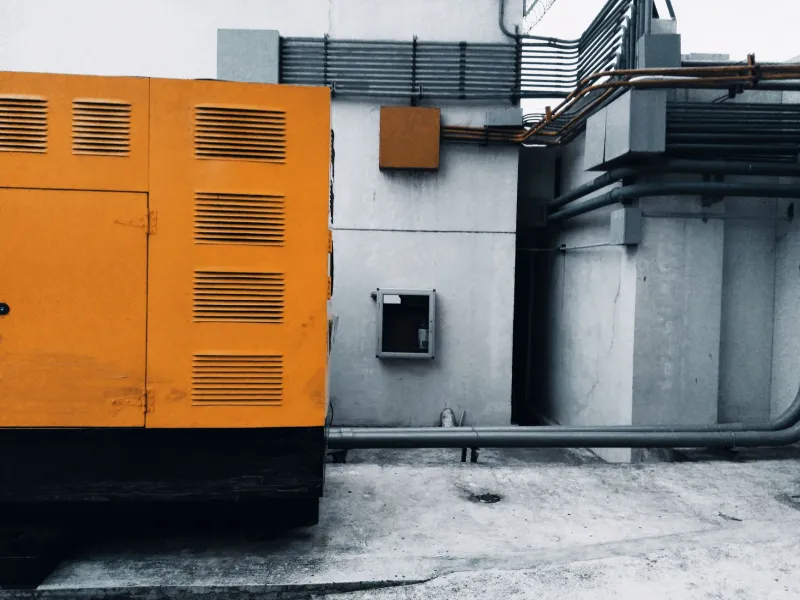
Power Before Permanence: Designing Safe Temporary Electrics for UK Refurbishments
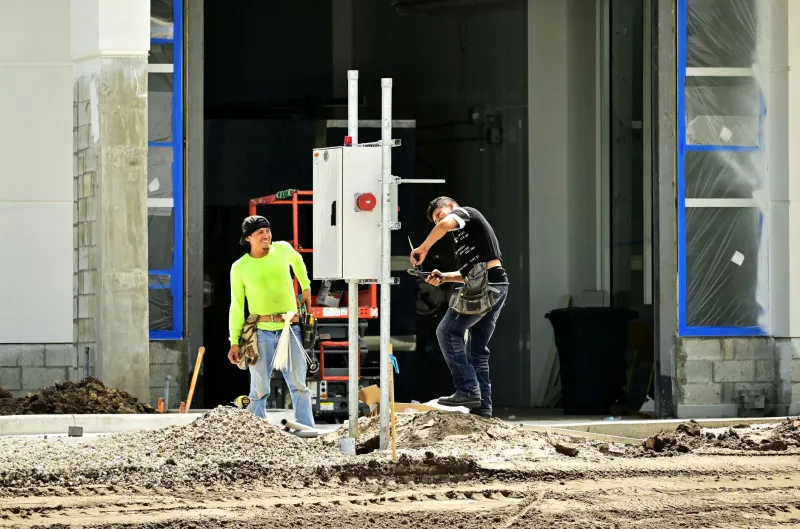
Temporary Does Not Mean Improvised
A refurbishment site is a place of change. Walls come down, circuits are isolated, and the familiar permanence of a consumer unit may disappear for weeks or months. In that gap, power is usually supplied by an arrangement that has been assembled quickly: an extension lead through a doorway, a distribution board on a damp floor, or a builders’ supply feeding several trades at once. The result may keep the job moving, but it is not a designed installation.
For homeowners and property managers, the distinction matters. Temporary power is still electrical infrastructure. It can be exposed to weather, dust, impact and frequent plugging and unplugging. It can sit close to water, metalwork and combustible materials. It can be used by people who have not seen the supply arrangement before. Treating it as a temporary inconvenience rather than a controlled system is where avoidable incidents begin.
The safer approach is to plan temporary electrics with the same discipline as permanent circuits, scaled to the duration and nature of the works. That means clear protection, suitable distribution, sensible cable routes, legible labelling and an agreed point at which responsibility passes back to the permanent installation.
Start With a Supply and Protection Plan
Before work begins, the supply arrangement should be agreed between the client, the principal contractor and the electrician responsible for the installation. The plan should identify the origin of the supply, its rating and capacity, the intended loads, and the protective devices that will sit between the supply and the tools or equipment in use.
Residual current device protection is central to this. For socket-outlets and portable equipment on a construction or refurbishment site, the risk of cable damage and moisture ingress makes effective RCD protection particularly important. A 30 mA RCD is commonly used for additional protection, but it must be appropriate to the supply arrangement and tested before use. Where 110 V equipment is used through a site transformer, the reduced voltage brings clear benefits, but it does not remove the need for inspection, suitable leads and protected distribution.
The plan should also account for discrimination and overload. A single 13 A extension lead daisy-chained across a site is not a distribution system. If several trades need power, the supply should be divided at a proper distribution point, with circuits or outlets rated for the expected load and protected against fault and overcurrent. The electrician should confirm that the supply can carry the demand without nuisance tripping or overheating.
Distribution That Can Take Weather and Wear
Temporary distribution equipment should be selected for the environment in which it will actually sit. A domestic interior may only require robust, well-supported distribution with residual current protection and adequate outlets. An outdoor or semi-outdoor area demands weatherproof enclosures, cable glands that maintain the enclosure rating, and positions that keep connections off wet ground and away from standing water.
IP ratings are a useful starting point, but they are not a substitute for sensible placement. A weatherproof board left face-up in a puddle is still vulnerable. Distribution should be mounted securely, kept stable, and positioned so that plugs and sockets are not strained. Cables should enter enclosures properly, not through missing knockouts or open lids.
Where the supply is temporary, the equipment should also be visibly identifiable as such. That helps prevent a future occupier or trade from assuming it is part of the permanent installation. It also makes it easier to isolate and remove at the end of the works.
Cable Routes, Labelling and the Discipline of Isolation
Cable routing is often where temporary installations become untidy and hazardous. Leads should not cross walkways at floor level without protection, run through doorways where they can be pinched, or be draped over metal edges. Trailing leads should be kept as short as practicable and routed away from wet areas, sharp edges and heat sources.
Labelling is equally important. Temporary distribution boards, isolators and supply points should be marked clearly, with the purpose of each outlet or circuit identified where practical. A simple label stating that a board feeds the first-floor tools or the temporary lighting is more useful than an unmarked row of sockets. Clear labelling reduces the chance of the wrong isolator being operated and helps visiting trades understand the arrangement quickly.
Isolation should be deliberate. The temporary supply should have a means of isolation that is accessible to those who need it, while still being protected from unauthorised operation. The client, contractor and electrician should agree who is authorised to isolate the supply, how it will be locked off where necessary, and what happens if a fault is suspected. No one should be relying on a plug being pulled out as the sole means of isolation.
Responsibilities Between Contractor, Client and Electrician
Temporary power works best when responsibilities are written down rather than assumed. The client or property manager should provide accurate information about the existing supply and any known limitations. The contractor should control day-to-day use, ensure leads and equipment are visually inspected, and report damage promptly. The electrician should design and verify the temporary arrangement, confirm protection and earthing arrangements, and make clear which parts of the installation are temporary.
This division matters because temporary installations often change. A new trade arrives, an extra lead is added, or a distribution board is moved to make way for plastering. Each change can affect safety. A short site induction and a named person responsible for the temporary supply will do more for safety than a stack of untested extension leads.
The Handover Point
The end of temporary power should be a defined stage, not a gradual drift. Permanent circuits should be tested and certified before they replace the temporary arrangement. Temporary equipment should be isolated, removed and checked for damage. Any outlets or enclosures that remain should be clearly identified, and the client should receive confirmation that the permanent installation is ready for use.
For a homeowner, that handover is reassurance that the refurbishment has not left a hidden legacy of improvised wiring. For a property manager, it is evidence that the site has moved from controlled temporary arrangements to a verified permanent installation. In both cases, the principle is the same: temporary power deserves a plan, a responsible person and a clean exit.
Custodian Electrical treats temporary supplies as part of the safety story of a refurbishment, not an inconvenience to be worked around. A few hours spent designing the arrangement at the outset can prevent weeks of risk later.